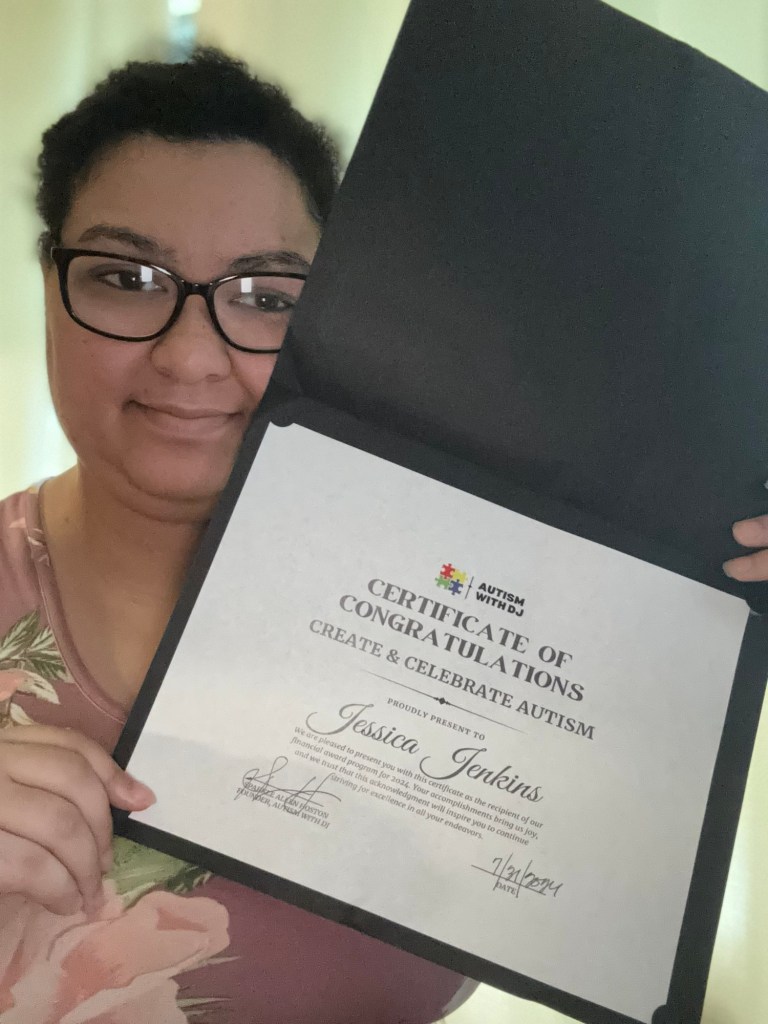
Jessica’s Blog

Interoception

One of the struggles I face as an autistic person is something called interoception, and it affects my everyday life more than most people realize.

Interoception is the ability to recognize and interpret signals from inside your body. Things like hunger, thirst, fullness, needing to use the bathroom, feeling too hot or cold, or recognizing when something is physically wrong.

My brain doesn’t always recognize or properly interpret these signals.

I don’t always know when I’m hungry. I can go hours without eating because my body doesn’t communicate hunger to me in a way I can recognize. Sometimes I don’t realize I need food until I’m feeling physically unwell.

I also struggle to recognize when I’m full. I don’t always receive that internal signal telling me I’ve eaten enough, which makes something as simple as eating a meal more complicated than people understand.

Even knowing when I need to use the bathroom is difficult. I don’t always recognize the sensation until the need becomes extremely urgent. It’s not because I’m ignoring my body. It’s because my brain struggles to process what my body is trying to tell me.

Imagine living in a body that doesn’t consistently tell you what it needs.

Imagine having to consciously think about things that most people do automatically. Imagine needing reminders to eat, drink, or use the bathroom because you can’t reliably depend on your own internal signals.

It’s exhausting having to constantly monitor basic bodily needs that other people rarely have to think about.

This is one of the many invisible challenges of living with severe autism. People see that I can speak, create beautiful artwork, and communicate my thoughts, but they don’t see how much I struggle with basic daily functioning.

Being verbal doesn’t mean my brain processes everything typically. Being talented doesn’t mean I’m independent. And being able to explain my disability doesn’t make that disability any less severe.

Interoception difficulties aren’t laziness, irresponsibility, or a lack of self-awareness. They’re a real neurological challenge that can significantly affect someone’s ability to care for themselves.

I wish more people understood that autism isn’t just about social communication or sensory sensitivities. It can affect how we experience and understand our own bodies.

Sometimes the hardest part of being autistic is struggling with things that other people never even have to think about. 💜♾️

I run my own art business

People see me running my own art business and automatically assume that means I’m capable of living independently. But what people don’t understand is that being able to create and sell artwork does NOT mean I’m capable of taking care of myself. 💔

I’m diagnosed with Level 3 autism, which means I require very substantial support. I also have a neurocognitive disorder that impairs my cognitive functioning, and I struggle with severe catatonia. These disabilities significantly affect my ability to function in everyday life.

Yes, I’m an artist. Yes, I run my own small art business. Yes, I can create beautiful paintings and detailed colored pencil drawings. Yes, I can communicate with customers, advertise my work, and manage certain aspects of my business.

But none of those abilities magically make me independent.

People see the finished paintings, the social media posts, the commissions, and the business side of my life. What they don’t see is everything happening behind the scenes.

They don’t see that I require 24/7 care and range-of-sight supervision. They don’t see the cognitive difficulties, the regression, the communication challenges, or how much support I need to navigate everyday situations.

They don’t see the moments when I lose my ability to speak and have to rely on my AAC device. They don’t see how unpredictable my functioning can be or how severely my disabilities impact my daily life.

Being talented at something doesn’t mean I’m capable of doing everything.

Art is something I can do. It’s something I’m passionate about, something that gives me purpose, and something that allows me to generate income because I’m not medically or cognitively cleared to work a traditional job.

But being able to paint a picture doesn’t mean I can safely live alone.

Being able to communicate through social media doesn’t mean I can consistently communicate verbally.

Being able to sell artwork doesn’t mean I can independently manage all my personal care, medical needs, safety, or daily responsibilities.

And being able to run a small business doesn’t mean my autism is somehow less severe.

My artistic abilities and my disabilities coexist. One does not erase the other.

I think one of the most frustrating parts of having an invisible disability is constantly having to prove how disabled I actually am. People see a small portion of my life and assume they understand my entire level of functioning.

They see intelligence and assume independence.

They see creativity and assume capability.

They see communication and assume I don’t struggle.

They see accomplishments and assume I don’t need substantial support.

But disability isn’t measured by how talented someone is or how impressive their accomplishments appear to other people.

I can be a successful artist and still be severely disabled. I can own a business and still require lifelong care. I can have strengths while also having significant limitations.

The reality is that I may never be able to live independently, and that’s something I’ve had to come to terms with. My support needs don’t disappear just because I’m capable of creating something beautiful.

I’m proud of my artwork. I’m proud of the business I’ve built. I’m proud that despite everything I struggle with, I’ve found something meaningful that I’m able to do.

But I’m exhausted by the assumption that because I can do one thing well, I should somehow be capable of doing everything else.

Please stop confusing talent with independence. Please stop confusing intelligence with the ability to function independently. And please stop assuming that someone’s accomplishments determine the severity of their disability.

You can admire my artwork without minimizing my autism.

You can support my business without questioning my need for lifelong care.

You can celebrate my strengths while still acknowledging my very real limitations.

I’m an artist. I’m a business owner. I’m also a severely disabled autistic person who requires substantial daily support.

All of those things can be true at the same time. ❤️♾️

#ActuallyAutistic #Level3Autism #HighSupportNeedsAutism #DisabledArtist #AutisticArtist #DisabilityAdvocacy #AutismAcceptance #InvisibleDisabilities #DisabilityAwareness

I’m not high functioning

💔 Just because I appear “high functioning” doesn’t mean I’m not severely disabled.

I want to share something deeply personal because I’m exhausted from people looking at me and assuming I’m doing better than I actually am.

I am diagnosed with Level 3 autism without intellectual disabilities, which means I have very substantial support needs. I also have an unspecified neurocognitive disorder that significantly impairs my cognitive functioning, and I’m suffering from severe catatonia.

These aren’t just diagnoses written on a piece of paper. They affect every single aspect of my life, every single day.

One of the hardest things about my disabilities is that people don’t always see how much I’m struggling. Because I can speak, communicate my thoughts, create beautiful artwork, and sometimes appear articulate and capable, people automatically assume I’m “high functioning.”

But being verbal does not mean I’m independent. Being intelligent does not mean I’m capable of functioning without extensive support. Being talented does not mean I’m not severely disabled.

What people don’t see is the constant regression. They don’t see how my cognitive abilities fluctuate, how I lose skills, how difficult everyday tasks can become, or how terrifying it is to feel myself losing abilities that I once had.

They don’t see the impact of my catatonia or how severely it affects my ability to function.

Even my speech isn’t guaranteed.

There are times when I can communicate verbally, and there are times when my speech regresses or becomes inaccessible. That’s why I carry my AAC (augmentative and alternative communication) device everywhere I go. I never know when I might lose the ability to communicate through speech, and I need another way to express myself.

Imagine never knowing when something as basic as speaking might suddenly become impossible.

I also require 24/7 care and range-of-sight supervision. I cannot safely be left to navigate life independently. I need constant support, monitoring, and assistance because of the severity and complexity of my disabilities.

And one of the most painful realities I’ve had to accept is that I will never be able to live independently.

Not because I don’t want independence. Not because I haven’t tried hard enough. Not because I’m unwilling to push myself.

But because my medical and neurological needs are simply too complex.

I wish people understood how heartbreaking it is to experience regression while everyone around you insists that you’re doing fine.

I wish people understood how isolating it feels to have significant disabilities that are constantly minimized because you don’t fit their idea of what severe autism is supposed to look like.

Level 3 autism does not automatically mean someone has an intellectual disability. It does not automatically mean someone is nonspeaking. And it certainly doesn’t mean someone cannot be creative, articulate, or intelligent.

I can be all of those things and still require very substantial support.

My ability to paint, draw, write, or express myself does not cancel out my disabilities. My artistic abilities are not proof that I can hold a traditional job, live alone, or function without continuous assistance.

Sometimes people see the finished artwork, the social media posts, or the moments when I’m communicating well. What they don’t see is everything happening behind the scenes just to get through another day.

I am not exaggerating my disabilities. I am not seeking pity. I am asking to be understood.

I’m grieving abilities I’m losing. I’m struggling with limitations that most people will never see. I’m trying to navigate a life that requires an extraordinary amount of support while constantly being told that I seem too capable to be as disabled as I am.

And that hurts more than I can explain.

Please stop measuring someone’s disability by how well they speak, how intelligent they appear, how talented they are, or how much they can accomplish on a good day.

You can be intelligent and severely disabled. You can be verbal and still need an AAC device. You can be creative and still require 24/7 care. You can look capable on the outside while struggling tremendously on the inside.

I don’t need people to tell me how high functioning I seem.

I need people to recognize how hard I’m fighting just to function.

My disabilities are real. My regression is real. My support needs are real. And I deserve to be believed, respected, and understood. ♾️💔

#ActuallyAutistic #Level3Autism #HighSupportNeedsAutism #AutismAcceptance #CatatoniaAwareness #NeurocognitiveDisorder #AACAwareness #DisabilityAwareness #InvisibleDisabilities #DisabilityAdvocacy

I was non verbal until I was 10 years old

I was nonverbal until the age of 10. Imagine having an entire world inside your mind but not being able to express it through spoken words. 💔♾️

For the first 10 years of my life, I couldn’t communicate verbally the way most people could. That didn’t mean I didn’t have thoughts, feelings, opinions, wants, needs, or an understanding of the world around me. It meant that I couldn’t reliably translate what was happening inside my mind into spoken language.

I’m autistic with Level 3 support needs, and one of the biggest misconceptions people have about me is that because I can speak now, my communication difficulties must be behind me.

But learning to speak didn’t magically erase my communication disability.

I think in pictures. My mind processes so much of the world visually rather than through a constant stream of spoken words. When someone talks to me, I may need additional time to process what they’re saying, understand its meaning, and figure out how to respond.

Sometimes I know exactly what I want to communicate, but the words simply aren’t accessible to me.

Imagine knowing what you need but being unable to ask for it.

Imagine feeling overwhelmed, frightened, frustrated, or uncomfortable but being unable to explain why.

Imagine people asking you questions and expecting immediate verbal answers when your brain is struggling to organize a response.

Imagine having people assume you don’t understand something simply because you cannot respond in the way they expect.

That is part of the reality of living with a significant communication disability.

I’m also a gestalt language processor, which means my language development and processing involve learning and using larger chunks of language, such as phrases, scripts, and familiar expressions, rather than always building sentences word by word.

For me, language isn’t always something that comes naturally or effortlessly. Sometimes a familiar phrase is easier to access than creating an entirely new sentence. Sometimes I need more time to process language, and sometimes the words I want to say don’t come out the way I intended.

My brain doesn’t always organize language the way other people expect it to.

And that’s incredibly frustrating.

People often confuse being nonspeaking with having nothing to say. Those are two completely different things.

Just because someone cannot speak doesn’t mean they aren’t thinking.

Just because someone doesn’t respond doesn’t mean they aren’t listening.

Just because someone uses alternative communication doesn’t mean their thoughts are less meaningful.

And just because someone eventually develops speech doesn’t mean they no longer experience significant communication challenges.

I carry my AAC device with me because my ability to speak isn’t always reliable. There are times when my speech regresses, and I need another way to communicate.

Imagine spending years learning how to speak, only to experience moments when that ability becomes inaccessible again.

Imagine how frightening and isolating it can feel when people are accustomed to hearing your voice and suddenly expect you to continue speaking when you physically or neurologically cannot manage it.

My speech is an ability that can fluctuate. It is not something I can always depend on.

One of the hardest parts is that people judge my level of disability based on how well I communicate during a particular moment.

If I can hold a conversation, they assume I’m high-functioning.

If I can write a detailed social media post, they assume I have no significant communication difficulties.

If I can explain my experiences through writing, they assume I should be able to communicate just as effectively through speech.

But written communication and spoken communication are not the same thing.

Being able to write my thoughts does not mean I can consistently speak them.

My ability to express myself through writing doesn’t erase the years I spent without functional speech, the communication challenges I continue to experience, or the substantial support I require.

And thinking in pictures doesn’t mean my thoughts are empty or simplistic. My mind can be full of images, memories, emotions, associations, and ideas that are difficult to put into words.

Sometimes the hardest part isn’t knowing what I want to say. It’s finding a way to make other people understand what is already happening inside my mind.

I wish more people understood that communication is so much bigger than spoken language.

Communication can happen through an AAC device, gestures, facial expressions, body language, writing, pictures, or other forms of expression.

A voice is not the only way to have something important to say.

I spent the first decade of my life without being able to communicate verbally in the way people expected. That experience is part of my story, and it continues to shape how I experience the world today.

I’m grateful that I developed speech, but I refuse to let people use my ability to speak as evidence that my autism isn’t severe.

I’m still autistic.

I still have significant communication challenges.

I still experience regression.

I still need substantial support.

And I still deserve patience, understanding, and access to communication in whatever form works for me.

Please don’t mistake silence for a lack of intelligence. Don’t mistake delayed responses for a lack of understanding. And don’t mistake the ability to speak for the absence of a disability.

If you meet a nonspeaking autistic person, don’t assume there is nothing going on inside their mind.

If you meet an autistic person who uses AAC, respect their communication as much as you would respect spoken words.

And if you meet someone like me who developed speech later in childhood, understand that becoming verbal doesn’t necessarily mean communication has become easy.

I was nonverbal until I was 10 years old. I have a voice now, but that doesn’t mean I’ve stopped struggling to use it.

My thoughts have always mattered, even when I couldn’t speak them.

I had a mind before I had a voice. I had feelings before I had words. And I was always a person worthy of being heard, even in silence. ❤️♾️

#ActuallyAutistic #Level3Autism #NonverbalAutism #NonspeakingAutism #GestaltLanguageProcessor #AACAwareness #AutismAcceptance #CommunicationDisability #HighSupportNeedsAutism #DisabilityAdvocacy

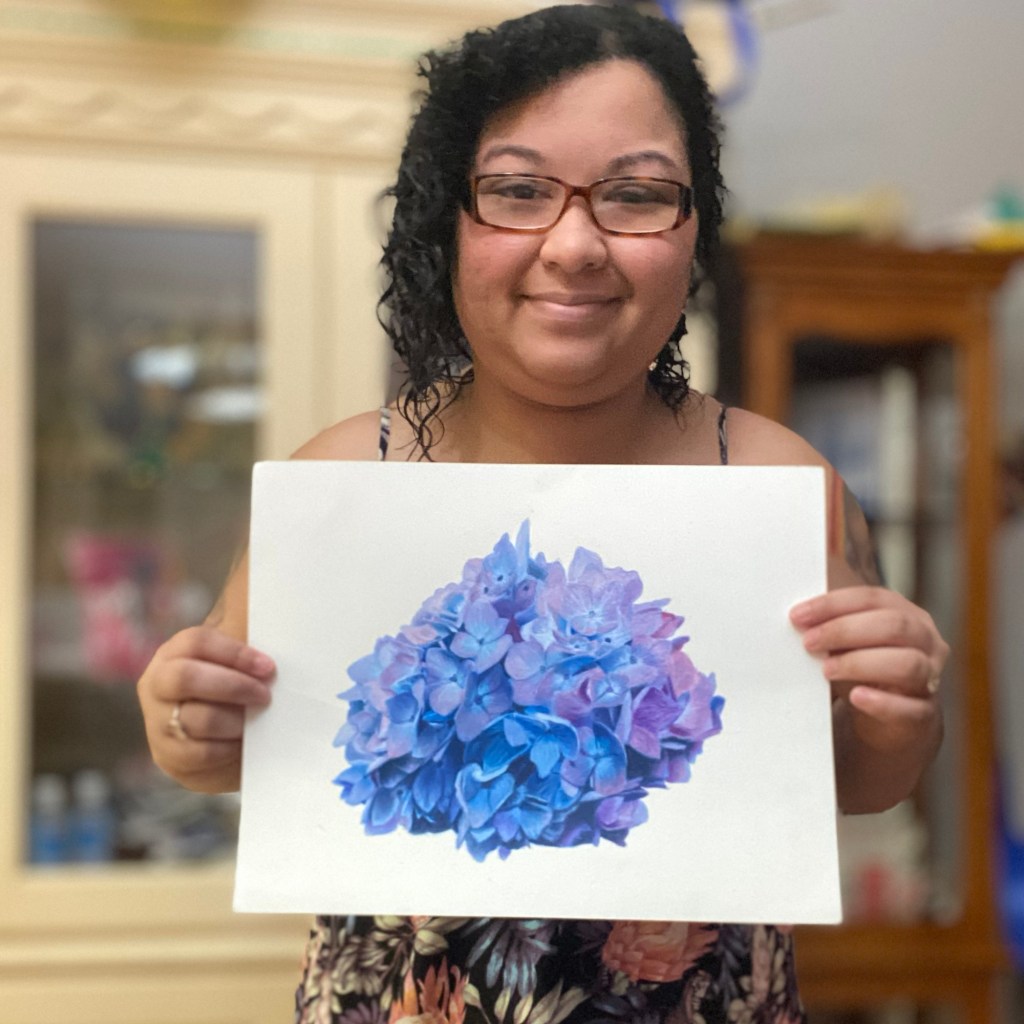
Number 2 Pencil by Jessica Jenkins | Poem

It started with a number 2 pencil

8 year old me holding a handful

I was non verbal

But what you don’t know is;

I still had words

Words that l couldn’t speak but could visualize

Words that I tried to express on paper but nobody realized

I think in pictures

I drew cats that I encountered

Flowers that I gathered

And my favorite foods that I was after

Each drawing had a meaning

Each drawing had a hidden feeling

I wish I was heard from the start

But I’m glad I found my voice through my art

I have words now and I’m very grateful

And it all started with just a number 2 pencil

Being verbal doesn’t mean there’s zero communication deficits

I was non verbal until the age of 10. But even after that, words were still hard to retrieve and I still have a hard time producing words, as well as processing verbal information. My brain doesn’t retain verbal information but I do very well with visuals. I’m a hybrid mouth speaker who experiences verbal shutdowns and am unable to speak so I’m a part time AAC user. I think in pictures and it’s hard to translate that into words so I mainly use my art as a form of communication even if others don’t understand it. I still communicate using immediate and delayed echolalia because I’m a gestalt language processor. And while it may not be so obvious to others around me, because I have learned to produce original sentences with my scripts, I still find that it creates a barrier when I’m trying to communicate with other people who don’t understand my scripts. These are some of my communication deficits that I can’t mask and have no control over. I want people to know that just because I’m verbal now, that doesn’t mean I have zero communication deficits. I want people to know that just because I’m verbal, that doesn’t mean I don’t need AAC to communicate. I also want people to know that just because I’m verbal, that doesn’t mean I’m high functioning. And while I can speak and use my words, that doesn’t mean I’m always able to self advocate. I do believe there’s a lot of misinformation circling around on social media that may be contributing to the lack of knowledge about autism and the different levels of communication deficits. There’s not enough representation of the true deficits that many autistic people have so I can’t really blame people who don’t know it because they don’t have exposure to it. I just really wish more people understood.